



In modern quantitative investment practice, research outcomes of genuine long-term value are often embodied in implementable, executable, and reproducible investment portfolios, not merely in statistically significant factor correlations. Feishu Quant Competition, with academic support from ETH Zurich, Universität Zürich (University of Zurich), Technische Universität München (TUM), and the University of Toronto, focuses on the entire asset management process, centering on the construction, execution, and evaluation of long-only portfolio strategies in the A-share market.

The University has asked me to ask YOU to submit a course evaluation form that can be found on this link.
I would like to also hear from you, with advice, criticism and details of what you liked, or not, in my course.
Description of assignment and marks for the course
You have to produce a single essay, which addresses the open lines of discussion highlighted in the course, which are also included below.
This essay will give rise to marks, equality weighted, each addressing
- Content
- Visuals
The topics you can address are:
- The creation of innovative modern investments, which highlight the use of data science.
- The treatment of a data-heavy financial situation, for example the one dealing with credit card default data in the book ISLP
- A discussion of an optimal investment position, for example the one arising from a convertible arbitrage trade, with known scenarios.
- Your own, free form, speculation on the future of a specific financial element in the area of sustainability.
- Anything else you can come up with related to the topics of the course.
A mock-up of such an assignment is provided. You can do better. Make it professional, no code, instead focus on the concepts and conclusions.
You send it, before May 15, to my email address: luis.seco@uzh.ch

Lecture notes
YouTube Lectures
Library
Other books that complete the topics covered in class, and go more in-depth in the materials we discussed.

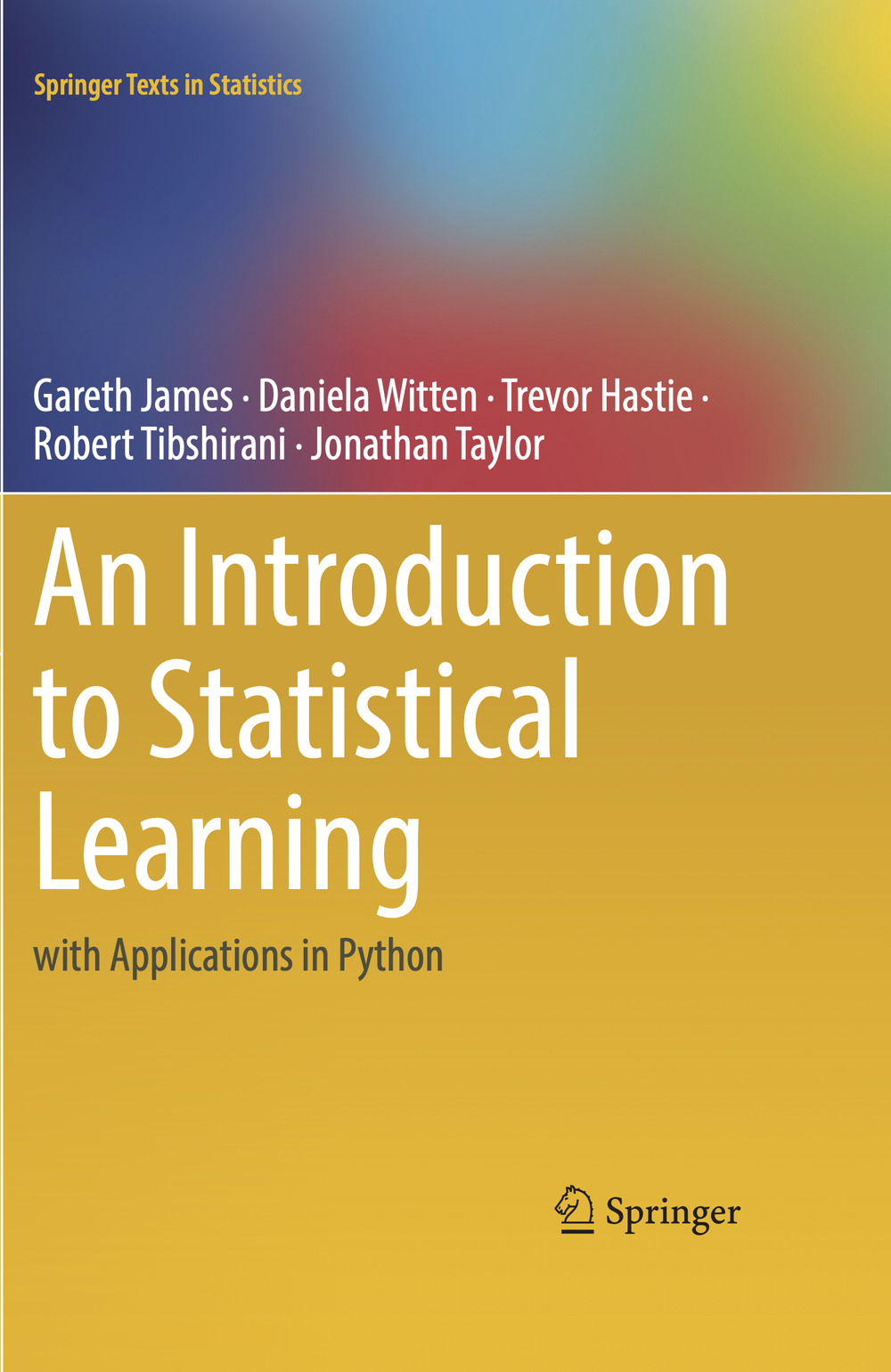
An Introduction to Statistical Learning. Gareth James, Daniela Witten, Trevor Hastie, Rob Tibshirani
A gem, for free.
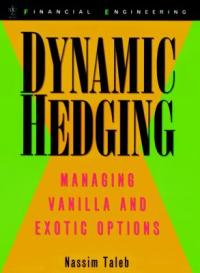
Taleb, N. N. (1997). Dynamic hedging: Managing vanilla and exotic options. New York: Wiley.
A classic by Quant Skeptic number 1, Nassim Taleb
Taleb, N. (2005). Fooled by randomness: The hidden role of chance in life and in the markets. New York: Random House Trade Paperbacks.
Another treaty on skepticism
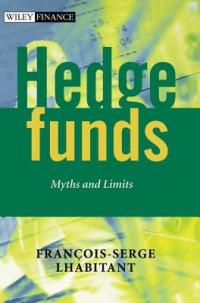
Hedge funds : quantitative insights /
François-Serge L’habitant. John Wiley, ©2004
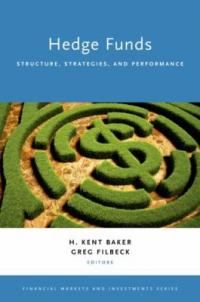
Hedge funds [electronic resource] : structure, strategies, and performance /
[edited by] H. Kent Baker and Greg Filbeck
A compilation of papers, it shows the topics that interest investors when it comes to hedge funds. Many of the topics are still relevant today. The focus is very investment centric, and shows the quantitative analyst that there are many topics of interest which are not quantitative at all.
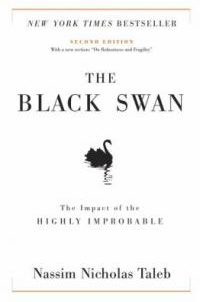
Taleb, N. N. (2007). The black swan: The impact of the highly improbable.
Pop culture meets risk management. This book, a prophecy of the financial crisis of 2008, brought Nassim Taleb to the main stream media as a risk visionary.
NewsRoom
Credit Suisse takes $4.7 billion hit from Archegos hedge fund scandal; execs step down
Credit Suisse announced several high-level staff departures and proposed a cut to its dividend as it weighs heavy losses from the Archegos Capital saga.
The Swiss lender now expects a first-quarter pre-tax loss of around 900 million Swiss francs ($960.4 million), after taking a charge of 4.4 billion Swiss francs as a result of the scandal.
Melvin Capital, hedge fund targeted by Reddit board, closes out of GameStop short position
CNBC could not confirm the amount of losses the firm took on the short position. Citadel and Point72 have infused close to $3 billion into Melvin Capital to shore up its finances.
[wpforms id=”1972″]